
Temporary staff make sense when the need is temporary: peaks in activity, harvest seasons, cover for absences or projects with an end date. Direct hiring makes sense when the role is permanent and you want the person on your own payroll. Many companies combine both, with a core team and temporary support when volume rises.
When temporary staff are the better choice
When workload rises and falls through the year, hiring onto the payroll creates a commitment that outlasts the need. Temporary work lets you size the team to what the operation needs at each stage, with recruitment, contracts and paperwork on the agency's side.
- The harvest season in agriculture or peak season in hospitality
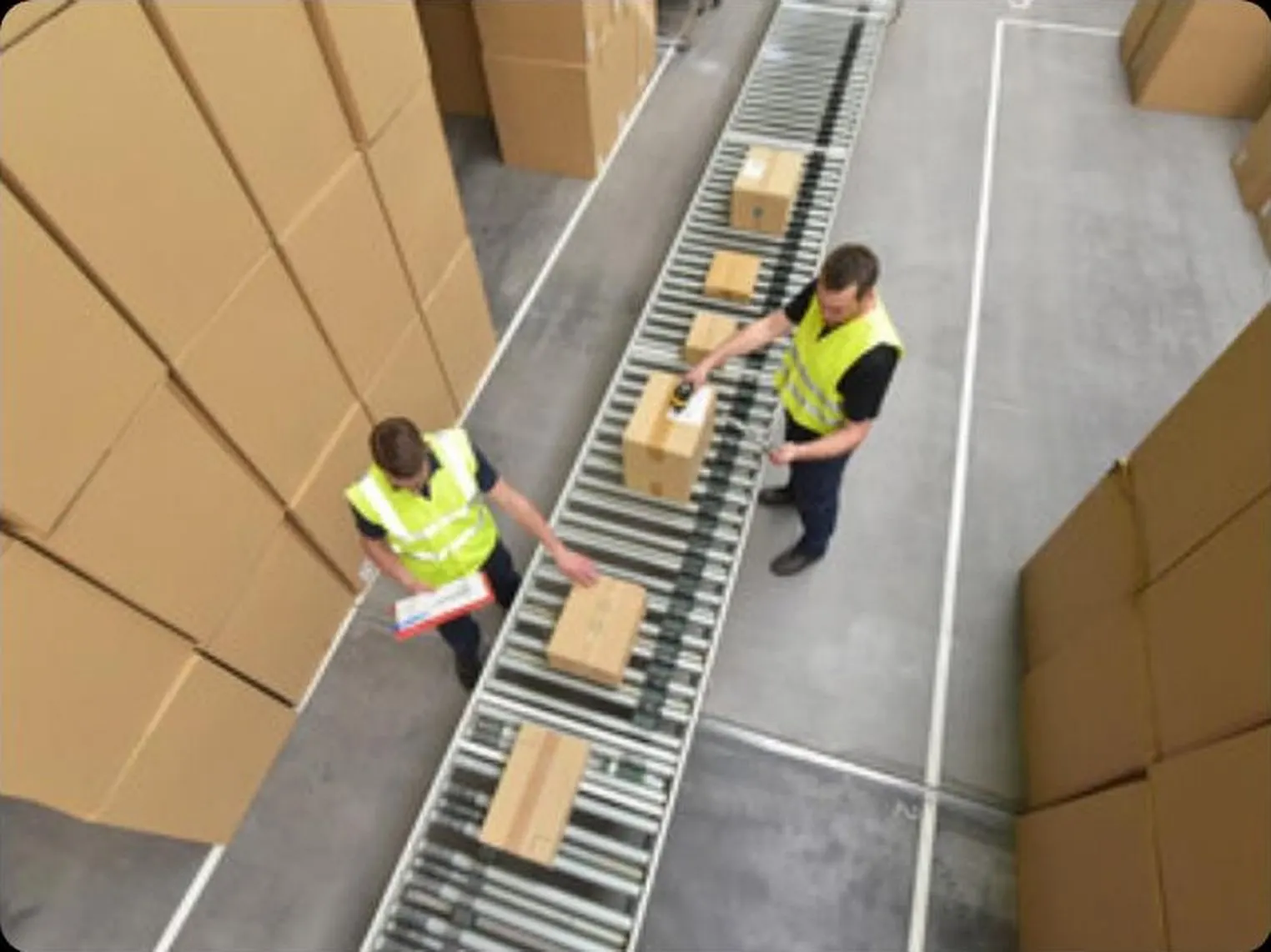
- Surges in orders at warehouses and distribution centres
- Projects built in phases, such as solar farms
- Covering absences without stopping the production line
When hiring directly makes sense
For permanent roles, roles at the core of the business or roles that need long in-house training, direct hiring is usually the better route. The person joins your payroll, grows with you and the employment relationship sits between your company and the worker.
It also makes sense when the role calls for deep knowledge of your products, customers or equipment, the kind that only comes with time inside the company. In that case your company takes on recruitment, contracts, payroll, insurance and all the administration for each person.
What to weigh up
A good way to decide is to look back at how your operation has run. Steady periods call for a core team; peaks call for extra hands. When the need comes back at the same time every year, temporary staff let you plan that support well ahead without growing your payroll.
- How long the need lasts: temporary or permanent
- How predictable your workload is across the year
- How much administration your team can take on
- Your in-house capacity to recruit operational staff, including workers from abroad
- The legal framework: temporary work requires a reason allowed by law, stated in the supply contract
The two models work well together
Many operations pair a core team, who hold the know-how, with temporary support at busier moments. The agency handles the temporary side while your company focuses on the operation. That is how Job On works with companies in logistics, industry, solar energy, agriculture, hospitality and construction, in Portugal and other European countries.
Updated September 2026.
Looking to strengthen your team?
Tell us the sector, the roles and the project location. Every request gets an answer, with workers and a proposal.
Request a team